

Forex Trading for Beginners: A Comprehensive Guide
Forex trading, also known as foreign exchange trading, is one of the most popular forms of trading in the financial markets. It allows investors to buy, sell, and exchange currencies with the aim of making a profit. For beginners, diving into this fast-paced environment can be daunting, but with the right guidance, it is possible to navigate the challenges and seize opportunities. This guide will provide a step-by-step overview for beginners looking to get started in forex trading. We also recommend checking out the forex trading for beginners Best Indonesian Brokers to find reliable platforms that suit your needs.
Understanding the Basics of Forex Trading
Forex trading involves the simultaneous buying of one currency and selling of another. Currencies are traded in pairs, such as EUR/USD (Euro/US Dollar) or GBP/JPY (British Pound/Japanese Yen). The first currency in the pair is called the base currency, while the second is the quote currency. When traders speculate on the price movements of these pairs, they anticipate whether the base currency will strengthen or weaken relative to the quote currency.
Key Terminology in Forex Trading
Before diving deeper, it’s important to familiarize yourself with some key terminology in forex trading:
- Pip: The smallest price movement that can occur in a currency pair.
- Spread: The difference between the buying and selling price of a currency pair.
- Leverage: A tool that allows traders to control larger positions with a smaller amount of capital.
- Margin: The amount of capital required to open a leveraged position.
- Lot: The size of a trade, typically measured in standard, mini, or micro lots.
Choosing a Forex Broker
One of the first steps to starting forex trading is selecting a reputable broker. Your choice of broker will affect your trading experience, so it’s crucial to consider factors such as:
- Regulation: Ensure the broker is regulated by a recognized authority.
- Trading Platforms: Look for user-friendly platforms with comprehensive tools.
- Spreads and Fees: Understand the costs associated with trading.
- Customer Service: Choose brokers with excellent customer support.
Setting Up a Trading Account
Once you have chosen a broker, the next step is to set up a trading account. This process typically involves filling out an application form, verifying your identity, and making an initial deposit. Most brokers offer different types of accounts catering to various trader levels, so choose one that aligns with your trading goals.
Developing a Trading Strategy
A robust trading strategy is crucial for success in forex trading, particularly for beginners. Here are some common strategies that you might consider:
- Day Trading: Buying and selling currency pairs within a single trading day.
- Swing Trading: Holding positions for several days to profit from expected price moves.
- Scalping: Making numerous small trades throughout the day to accumulate profits.
Regardless of the strategy you choose, it’s essential to backtest it on historical data and adjust based on market conditions.
Technical and Fundamental Analysis
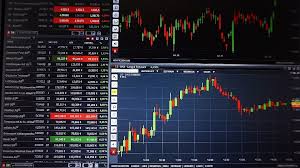
Forex traders typically rely on two main types of analysis: technical and fundamental. Technical analysis involves studying price charts and using various indicators to forecast price movements. Fundamental analysis, on the other hand, focuses on economic events, news releases, and geopolitical factors that influence currency values. An effective trader should be adept at both forms of analysis to make informed trading decisions.
Risk Management in Forex Trading
Risk management is one of the most vital parts of trading. It involves understanding how much you can afford to lose on each trade and setting limits accordingly. Here are some key risk management practices:
- Use stop-loss orders to limit potential losses.
- Avoid risking more than 1-2% of your trading capital on a single trade.
- Diversify your trading portfolio to spread risk among different currency pairs.
Staying Informed
The forex market is constantly evolving, and staying informed is essential for consistent success. Follow financial news, subscribe to forex-related newsletters, and participate in trading forums to connect with other traders and enhance your knowledge.
Practice with a Demo Account
Before committing real money, consider practicing with a demo account. This allows you to execute trades in a simulated environment without financial risk. Use this opportunity to test your trading strategies, understand the platform’s mechanics, and build your confidence.
Conclusion
Forex trading offers a world of opportunities for beginners, but it also comes with its challenges. By understanding the fundamentals, choosing the right broker, developing a solid trading strategy, and managing risks effectively, you can pave your way to success in this exciting market. Remember to equip yourself with continuous learning and practice to navigate the forex landscape confidently.